
A year of growing and learning together
A look back at NUS Libraries in 2025


Moving upward towards a library of the future - one step at a time
A/P Natalie Pang
University Librarian
Over the 2025 December break, I had the privilege of taking time out to do something that’s long been on my bucket list – hiking to Everest Base Camp, some 5,000-plus metres above sea level. While that might not be everyone’s idea of a restful vacation, the experience is an appropriate metaphor to describe the past year we’ve had at NUS Libraries.
As with my hike to Everest Base Camp, NUS Libraries began 2025 already having some sense of key challenges that lay ahead of us. Artificial Intelligence, and in particular Large Language Models (LLMs) continue to upend the way our community discovers and processes information. Shifts in scholarly publishing have shone a spotlight on the growing global inequities in access to information resources. Libraries are also dealing with the expansion of collections and knowledge resources from print to digital, hybrid, and even cloud-based resources. These changes, much like the wintry snowscapes of the Himalayas, are constantly reshaping the terrain. We have to adapt as an academic library, and expand our role as a cultural institution within the University, as well as wider society.
Yet, for all the advance knowledge and preparation we can make, life often has a way of throwing curveballs. The journey was rockier than expected. But standing here at the end of the journey, we have much to celebrate and be grateful for.
We rolled out NUSearch+, which enabled students and researchers to better discover the University’s many cultural and academic resources. We helped level up early-career librarians from underserved regions through TULLIP, and enabled many of them to join us here through funded fellowships. Our TF-NUS Heritage Champions advocacy programme and Bugis-Makassar Repository helped deepen heritage preservation efforts, and made discovering heritage resources more accessible globally.
I must give credit to the NUS Libraries team, who responded to evolving challenges by launching new initiatives, programmes and platforms, all while keeping day-to-day operations on an even keel. Where others might have rested on their laurels or fumbled with the increasing pressure and demands, our team stayed the course, encouraged and pulled each other along. I could not be prouder, or more privileged, to work with such a dedicated team of library professionals.
And so while we look back at what we have achieved at NUS Libraries, I’m reminded of what lies ahead. We live in an age in which the techno-utopian promise of the Internet to democratise information access has rapidly unravelled. This is most apparent in the divide between those with the means to get better access and publishing opportunities, while those who are less-resourced fall further by the wayside. As the largest academic library in Singapore, it is incumbent on us to take ownership of the battle for open access, and champion for more equitable and inclusive access to knowledge and knowledge resources.
We hope you will join us.




Preserving Culture and Heritage
We continue to grow and digitise our collections, opening doors to knowledge. This year’s highlights include remarkable additions that bridge heritage, science, and culture—from the laughter of a local icon to the legacy of Bugis seafarers and the field notes of a wartime ornithologist.
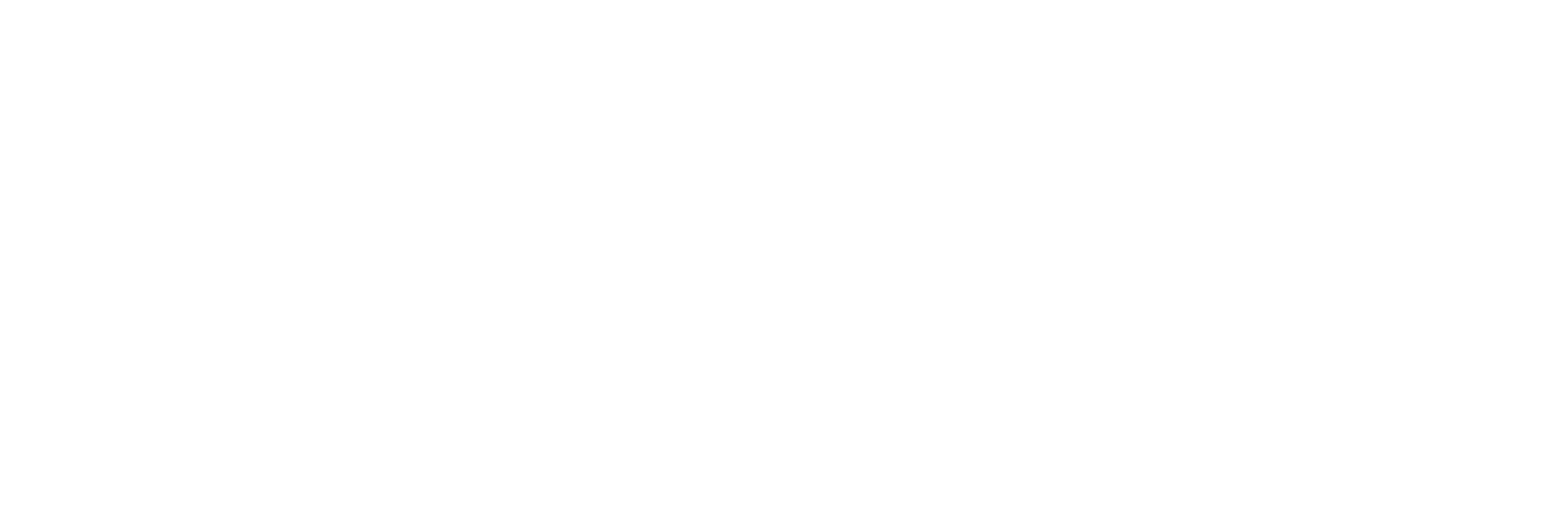
Celebrating the Legacy of a Local Icon – The Wang Sha Collection
More than two decades after the passing of Singapore’s beloved comedy legend Wang Sha (王沙), his private collection of over 300 artefacts and papers has found a new home at NUS Libraries.
Known for his warmth and wit, Wang Sha brought everyday stories to life on stage and screen. Together with his stage buddy Ye Feng (野峰), he was part of a comedic duo affectionately known as Ah Pui (fat) and Ah San (skinny)—which became a trademark of their comedic intrigue, along with their relatable humour.
The Wang Sha Private Papers Collection spans musical compositions, scripts, stage costumes, props, contracts, and memorabilia.
This archive not only honours a cultural pioneer but also offers valuable insights into Singapore's popular culture and entertainment scene.


Opening Doors to Southeast Asia’s Shared Heritage
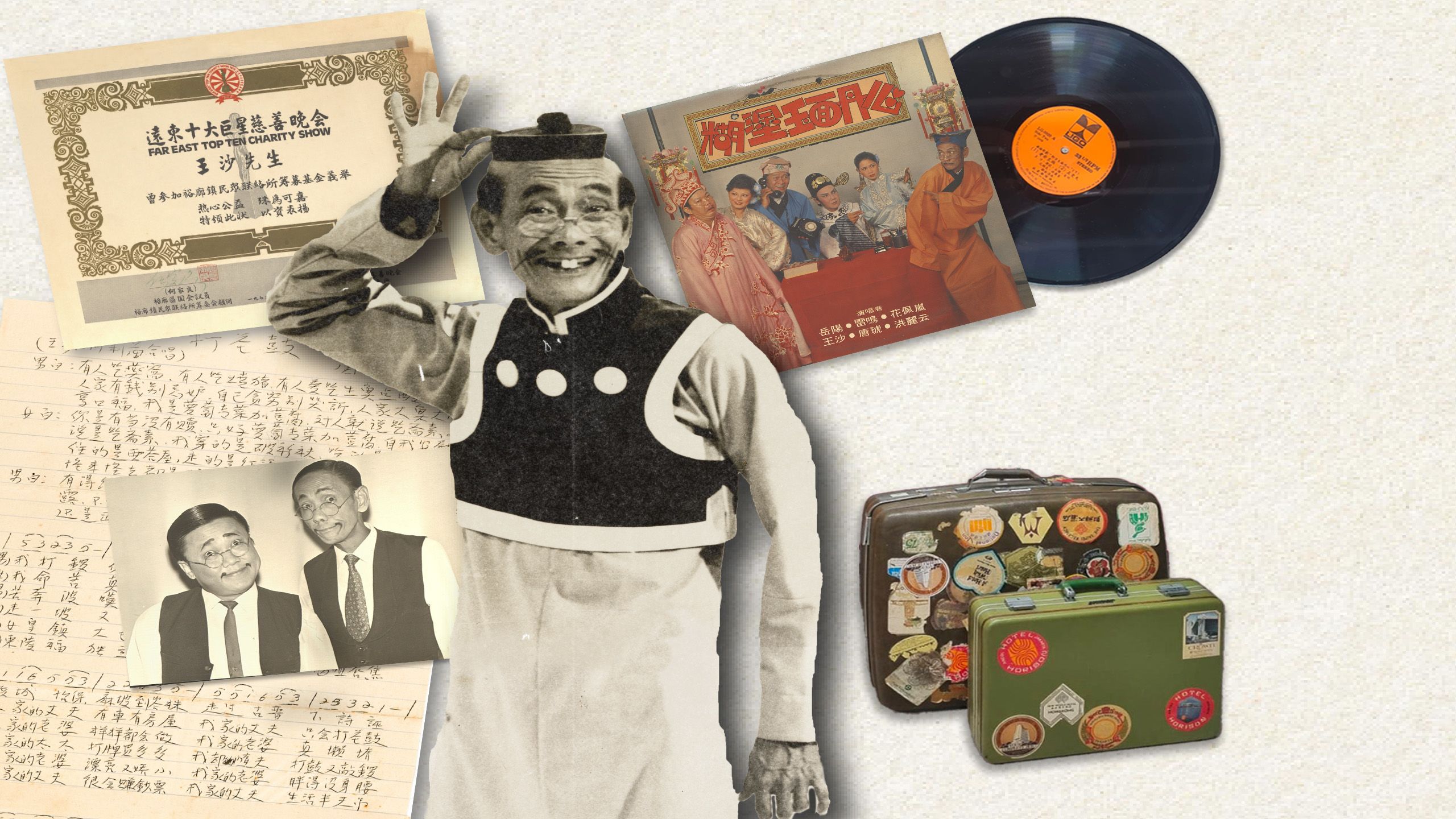
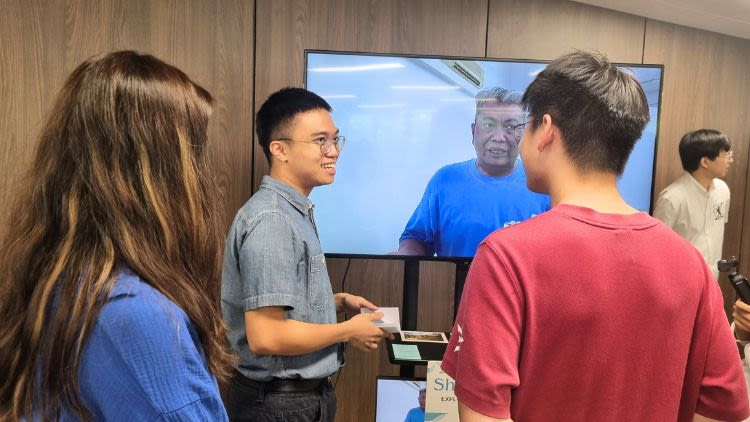
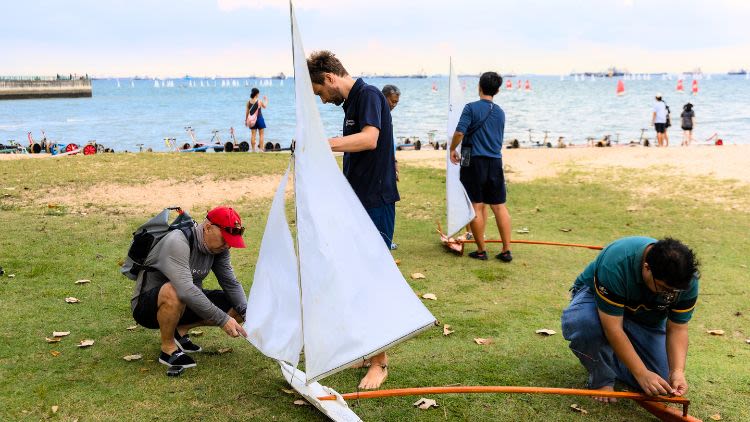
Our collaboration with the NUS Department of Southeast Asian Studies and Universitas Muslim Indonesia (UMI) has led to the preservation and translation of the Daeng Paduppa manuscript — a rare, 200-year-old Bugis maritime document written in Lontara script.
During a field trip to Sulawesi, our team uncovered five more manuscripts, including a keris-making guide possibly dating to the 1600s. These, together with Daeng Paduppa, now form the foundation of the Bugis Makassar Repository, a growing digital collection that captures the literary, maritime, and ritual traditions of the Bugis-Makassar world.
Complemented by oral histories from a master shipbuilder, captain, Bissu ritual specialist, and members of Sulawesi’s royal aristocracy, this living archive continues to expand, ensuring that Southeast Asia’s shared stories remain accessible for generations to come.

A Scientific Masterpiece Takes Flight
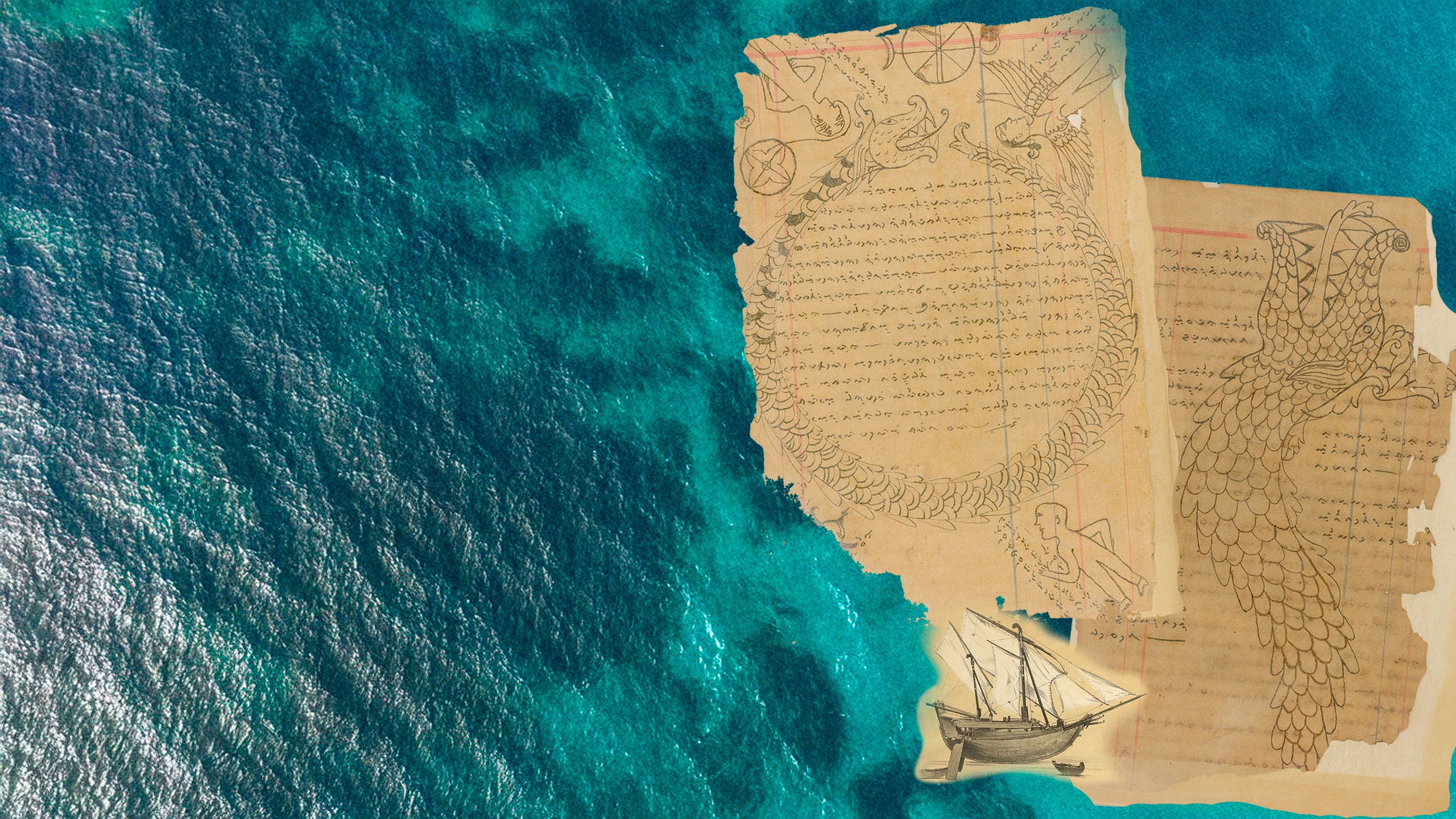
During World War II, ornithologist Guy Charles Madoc created An Introduction to Malayan Birds using a borrowed typewriter and salvaged materials while interned as a prisoner of war.
This extraordinary manuscript, once circulated secretly among fellow prisoners, has since become recognised as one of the important early works on birds in Singapore and the Malay Peninsula.
In 2025, NUS Libraries had the honour of meeting Madoc’s daughter, Fernella Madoc-Davis, to initiate the digitisation of this manuscript, ensuring global access for researchers.
“If my readers derive from a perusal of these pages one third of the benefit that I have gleaned during its production, I shall be well content,” wrote Madoc. Today, his words continue to take flight through digital preservation.
TF–NUS Heritage Champions
The inaugural TF–NUS Heritage Champions Programme, launched in partnership with Temasek Foundation and the National Heritage Board, wrapped up in August 2025.
Over six months, tertiary students became “heritage champions,” turning ideas into projects that celebrated Singapore’s diverse heritage — from Chinatown’s traditional trades to the stories of our offshore islands.
Through funding, mentorship, and training, participants gained hands-on experience in community engagement and heritage storytelling.
“I was able to hone my project management skills with this project. The ability to juggle multiple moving parts…aided me in my job application process upon graduation. The impetus to see beyond binaries will stay with me for the rest of my life,” said one participant.
The programme was also named a Top 10 Finalist for the 2025 IFLA PressReader International Marketing Award, marking a proud moment for NUS Libraries and our partners.


Showcasing NUS Archives and Collections at NUS120
NUS Libraries shares its roots with NUS itself, being founded in 1905 as part of the Straits Settlements and Federated Malay States Government Medical School. From a modest medical library housed in the principal’s office, we have grown alongside the university into a cornerstone of learning and innovation.
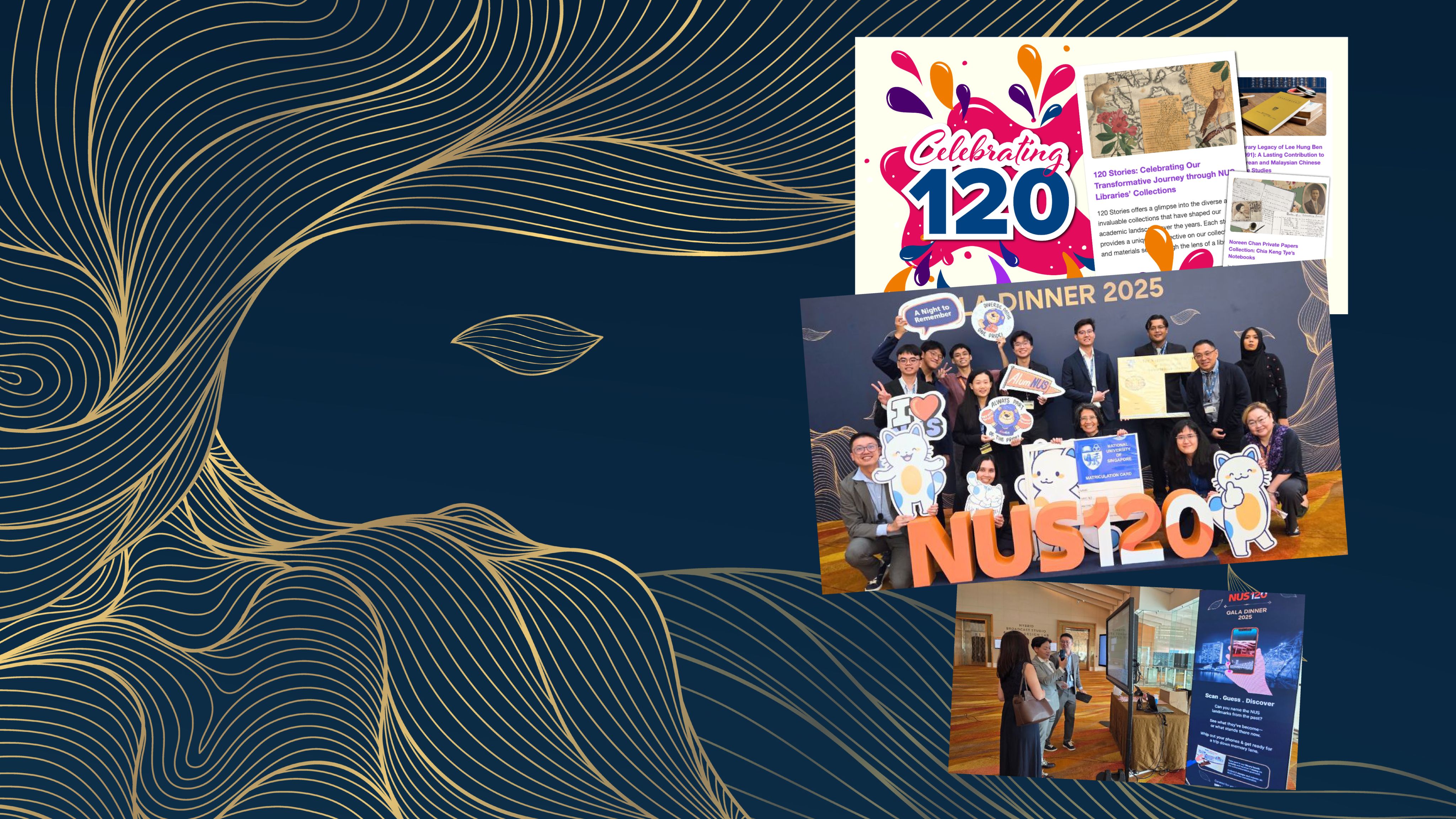
Commemorating our 120th anniversary, we curated 120 Stories — a blog series that draws on rare manuscripts, journals, and artworks in our collections to tell the story of NUS over the decades.
As part of the NUS120 celebrations, we were invited to anchor the NUS120 Gala Dinner with activities and showcases that presents NUS heritage from our special collections and archives in new and innovative ways. Featuring an interactive quiz (try it here!), archive document displays and immersive VR time-travels through Central Library, guests journeyed down memory lane and celebrated NUS' 120 years of progress and pride.

Enhancing Access to Knowledge
Libraries today are more than repositories — they are catalysts for collaboration, learning, and connection. From advancing digital discovery to nurturing future leaders, we continue to shape inclusive communities and inspire shared growth.
Discovering NUS Resources Seamlessly
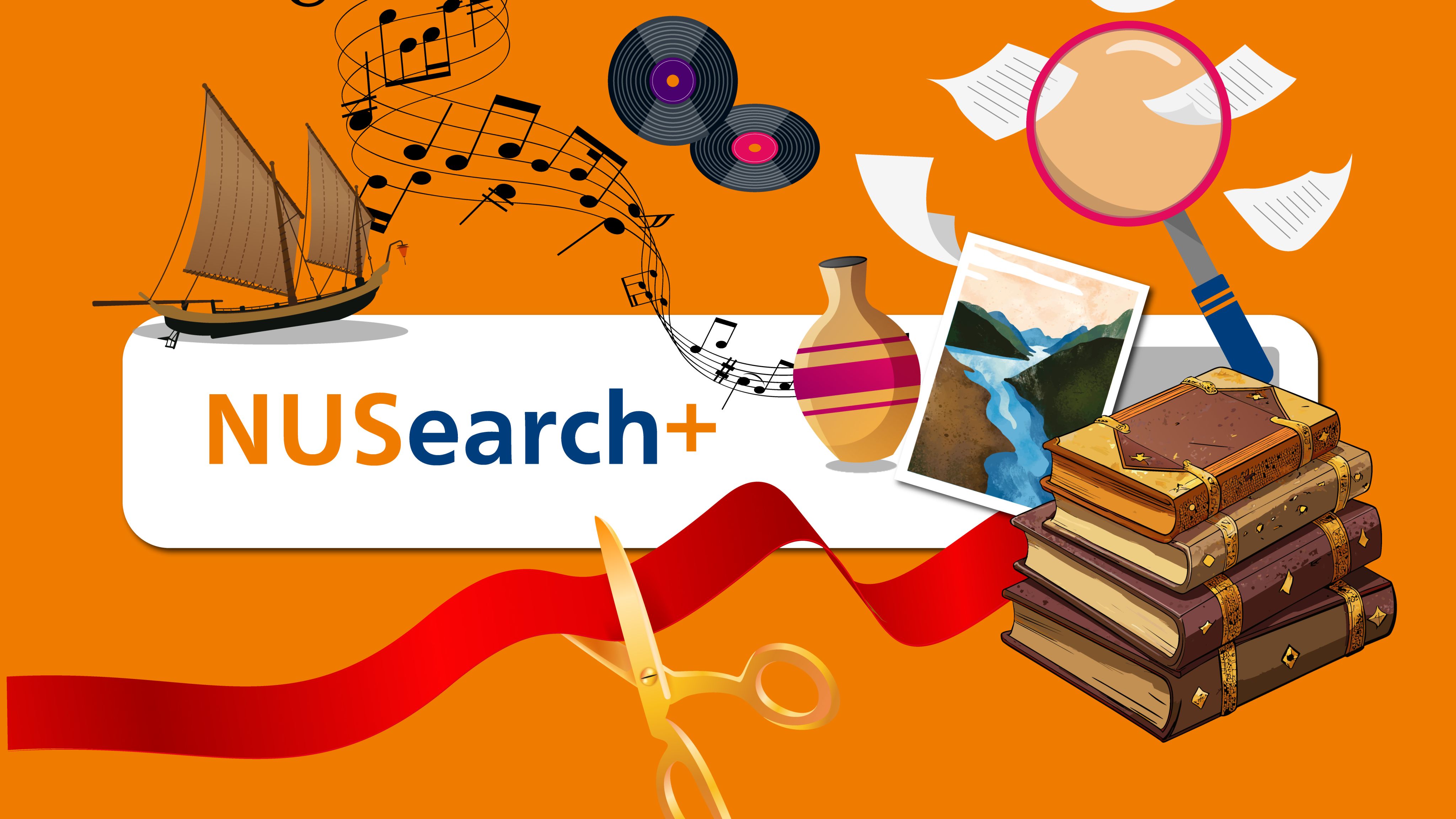
This year marked the launch of NUSearch+, a unified platform that hopes to bring together the collections of NUS Libraries and the university’s GLAM+ collections (Galleries, Libraries, Archives, Museums, and Performing Arts).
For the first time, users can search across NUS Museum collections and library resources, all within the NUS library portal. This enables seamless exploration and deeper engagement with NUS’ rich resources.
Wider Reach, Greater Impact, Lower Barriers: Open Access at NUS
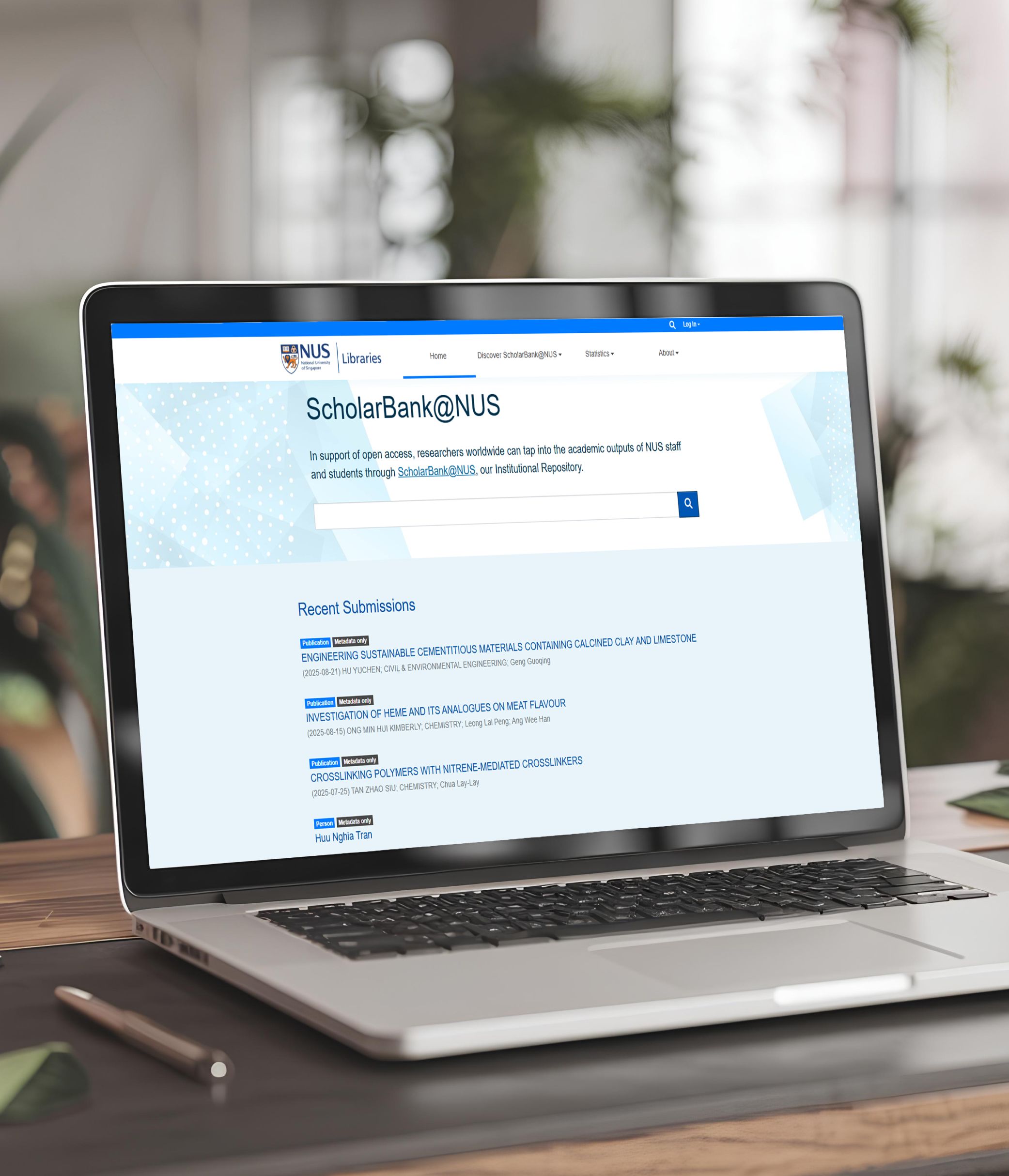
In 2025, NUS Libraries continued to help NUS researchers make their work accessible through open access (OA) – enabling anyone to access their scholarly outputs. We continued to champion Green OA, or the practice of authors depositing a version of their research output into an institutional repository like ScholarBank@NUS, to make it freely available to the public. Additionally, we advised authors on OA publishing options, licensing and rights, and the practical steps needed for deposit and compliance. We also managed and promoted a suite of NUS Libraries Read & Publish agreements and other publisher and society arrangements that waived or reduced article processing charges (APCs) for eligible NUS corresponding authors.
These included APC waivers for selected journals with Cold Spring Harbor Laboratory Press, Cambridge University Press, the Association for Computing Machinery, De Gruyter, Karger, and the Open Library of Humanities, as well as limited waiver/discount arrangements with publishers such as Elsevier, Oxford University Press, the Royal Society of Chemistry, SAGE, and Wiley.
Through these agreements, eligible NUS corresponding authors were able to publish OA at reduced or no APC cost, lowering barriers to publishing. In 2025, the agreements supported 555 OA publications and delivered an estimated USD 1,550,000 in APC savings/cost avoidance. This reduced out-of-pocket publishing costs for researchers, enabled more equitable participation in OA publishing across disciplines, and eased administrative and compliance burden for authors.
NUS Libraries’ work in strengthening the visibility, reach, and reuse of NUS research continues in the coming year – as we tackle global challenges of open science, responsible reuse, and long-term access.

Equipping Communities
Blooming Future Library Leaders with TULLIP
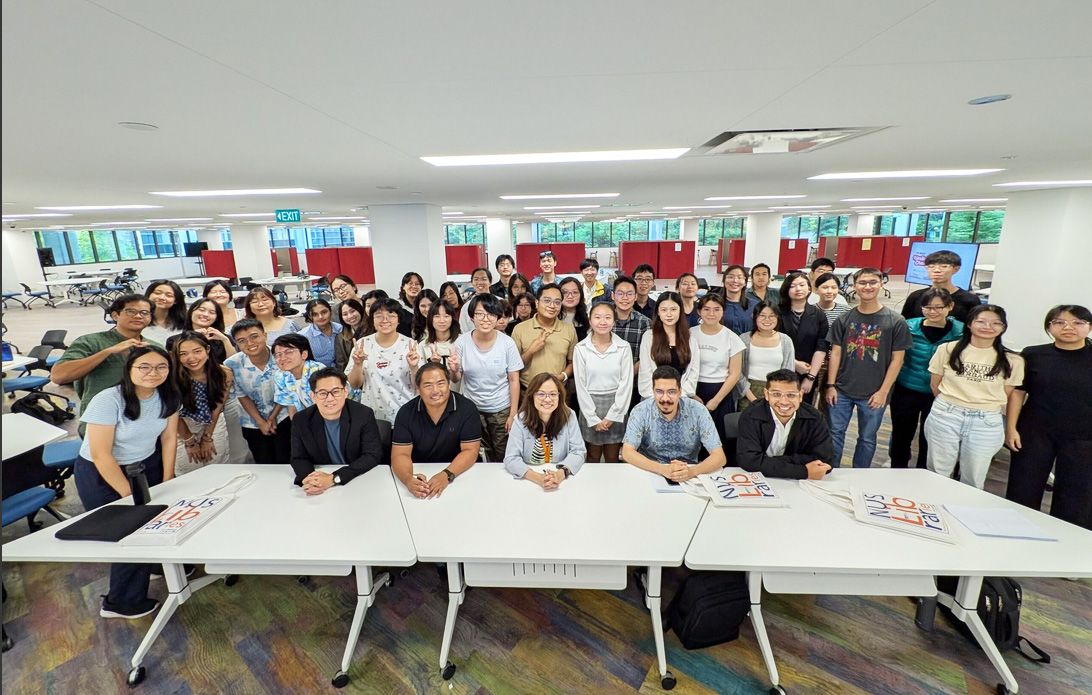
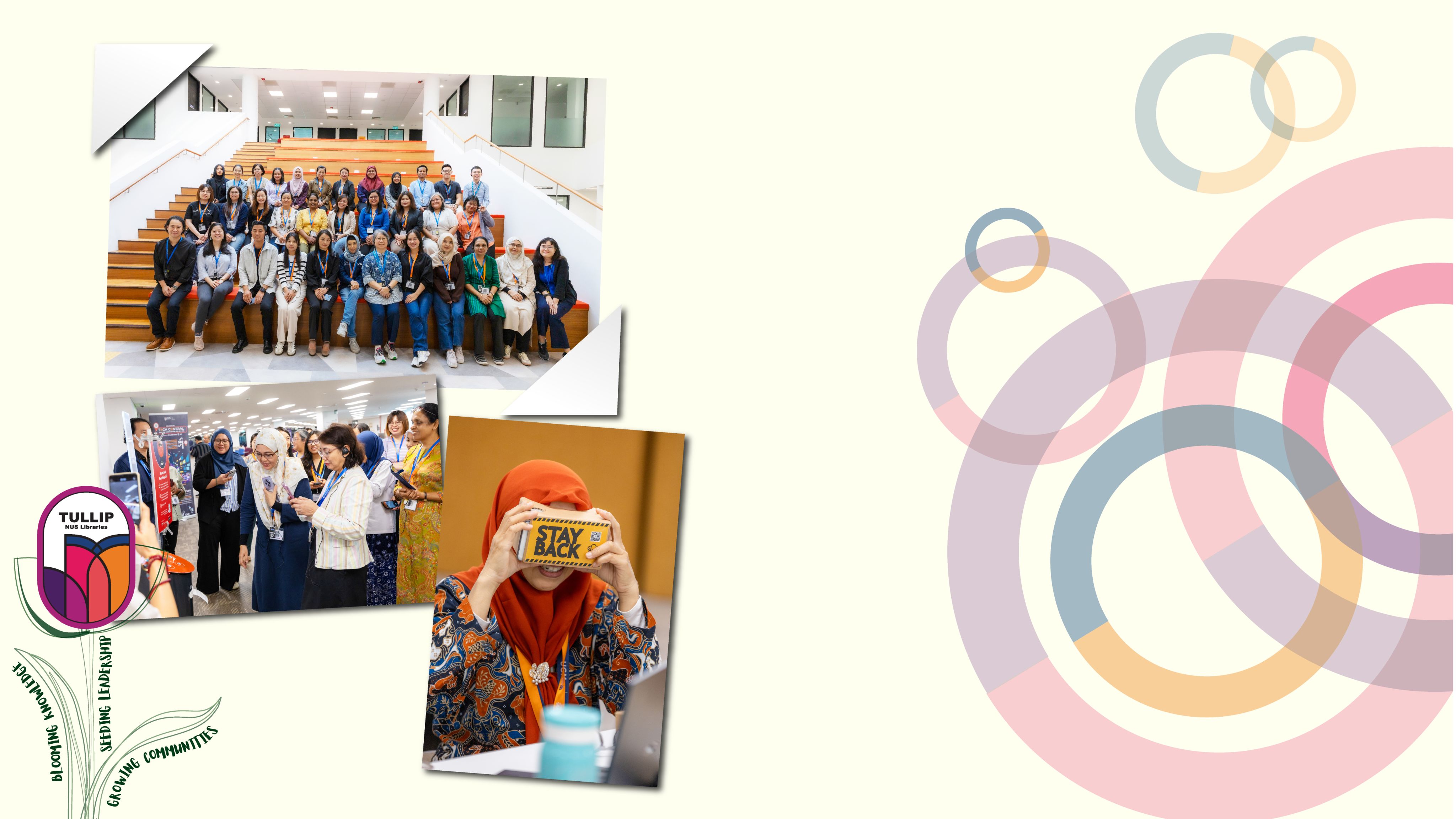
To help library leaders drive positive change in a rapidly changing world, NUS Libraries launched TULLIP (Transforming University Libraries Leadership & Innovation Programme).
Over five days, participants engaged in theory, case studies, experiential learning, and creative problem-solving exercises that reflect real-world challenges faced by academic libraries.
With attendees from across ASEAN, Asia, Africa, and North America, TULLIP fosters opportunities for cross-cultural learning and international collaboration, reflecting our commitment to enabling shared knowledge and regional growth.
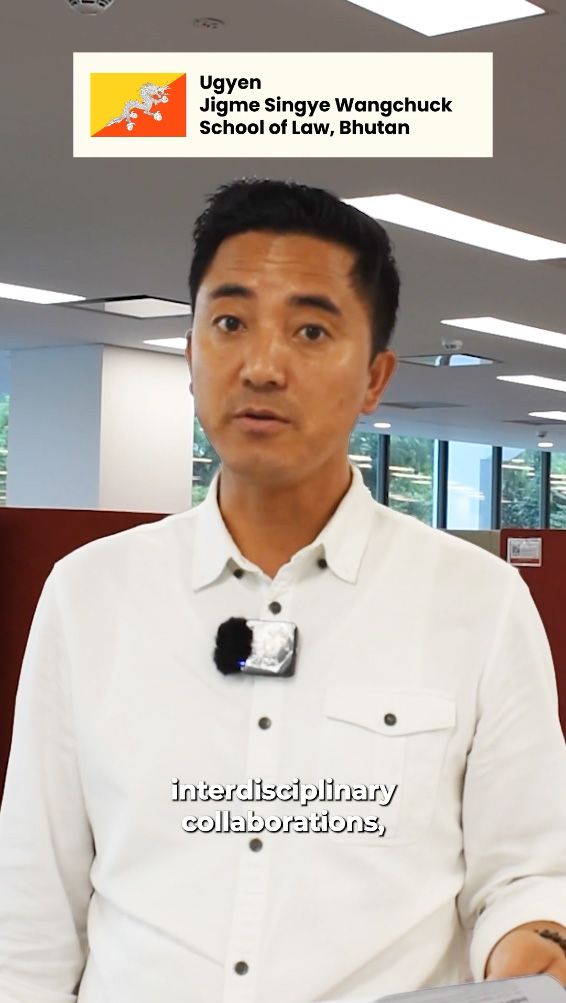
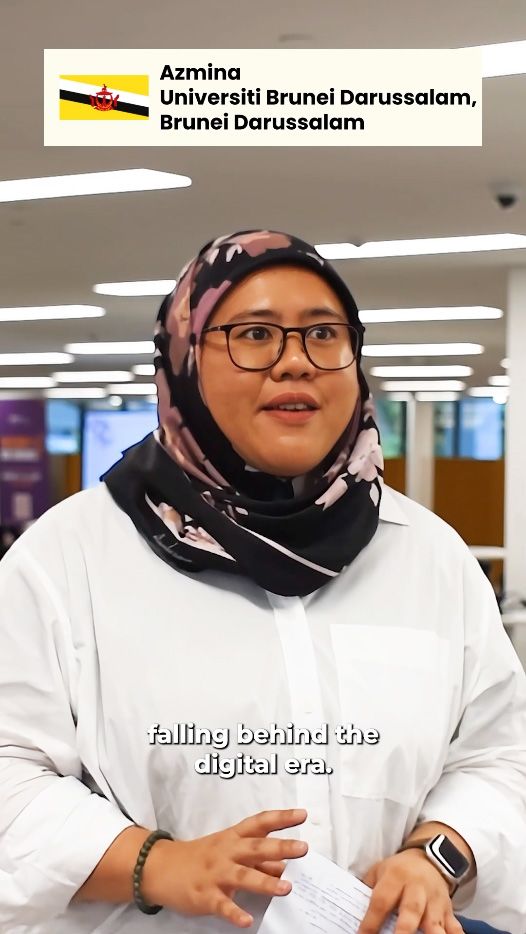
Hear what TULLIP participants have to say...
Driving AI Literacy in NUS
NUS Libraries advanced AI literacy in NUS through a coordinated, multi‑pronged strategy, developed in close collaboration with key campus stakeholders. We focused on building community awareness, strengthening responsible use of GenAI, and enhancing users’ ability to navigate AI‑powered information landscapes.
We introduced AI capabilities to our Summon Research Assistant in NUSearch+, which accelerated research by surfacing quality resources within our collection, presenting them in an easily-digestible format. Our collections team also actively evaluated and subscribed to AI-powered databases, to better enhance learning and research needs across disciplines. Our librarians partnered closely with faculty to embed AI-mediated information landscape and critical research skills into curriculum courses such as BMI1101 Digital Literacy for Healthcare Common Healthcare Curriculum, Dentistry Year 2 Evidence-Based Lecture Series, SPH2001 Fundamental Public Health Methods, AIS5281 Machine Learning in a Research Project, and UROPS REx Research Methodologies and Science Graduate Seminar Series CM5198, BL5198, FST5198, PR5198, PC5198. AI literacy components were incorporated into library orientations sessions of students across various faculties to show the use of tools such as the Summon’s Research Assistant and raise awareness regarding institutional polices.
We also organised Researcher Unbound workshops such as Learning with AI and AI tools for information Discovery to build practical competencies and skills using AI. During our Discover Digital 2025 event, we even held a live “Ask Me Anything” podcast in which NUS faculty discussed how students can responsibly use generative AI tools like ChatGPT, unpacking NUS AI policies, ethical use, and common concerns such as plagiarism and AI hallucinations.
To further raise awareness and enhance AI Literacy across our campus, we refreshed our AI Literacy Libguide, consolidating teaching and learning guidelines, best practices and support resources – in collaboration with CTLT, OSC and the NUS AI working group. Our Marketing Communications team also drove the development and rollout of a student-led social media awareness campaign that amplified key messages about responsible GenAI adoption.


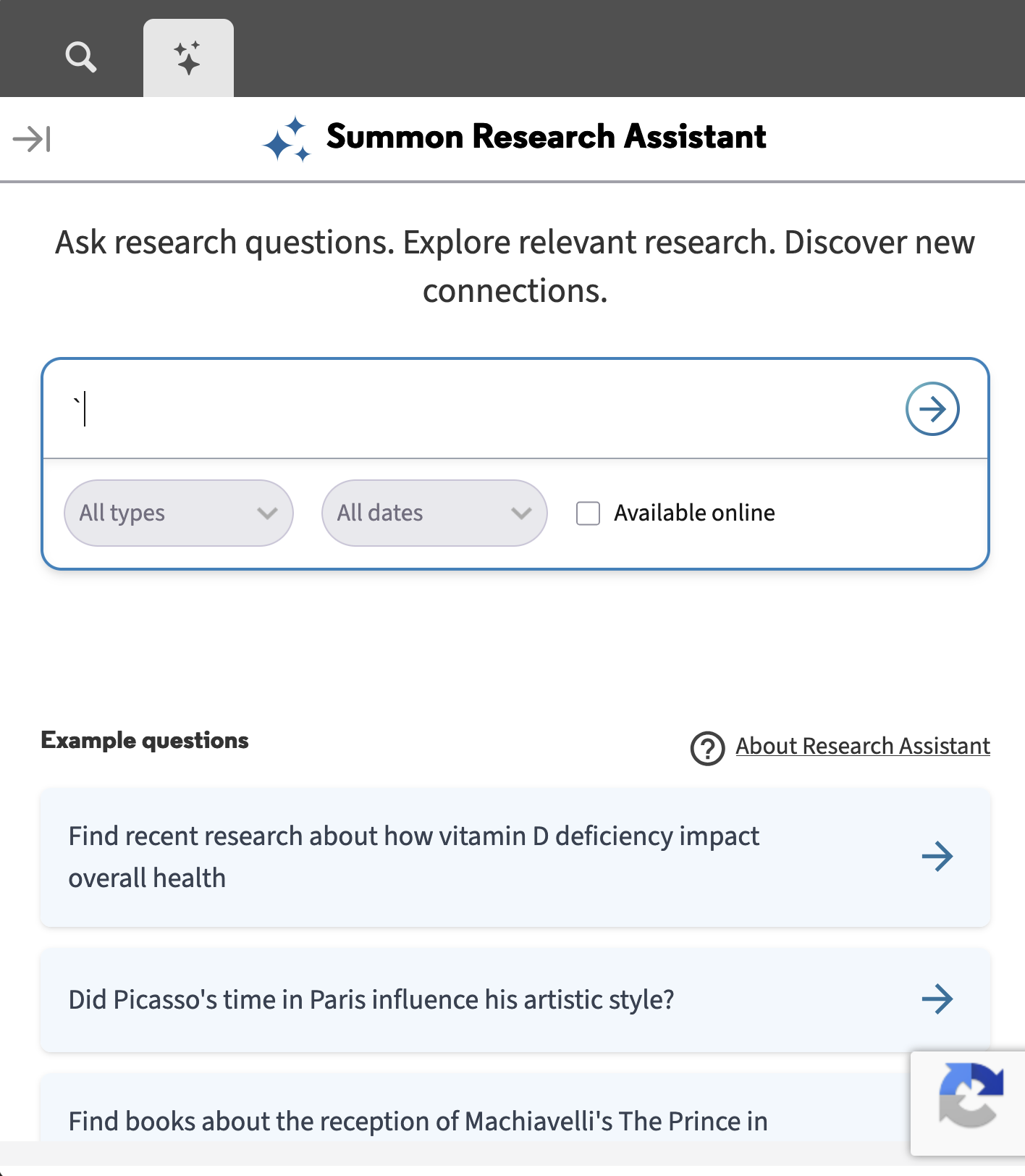
Summons Research Assistant on NUS Library Portal
Summons Research Assistant on NUS Library Portal

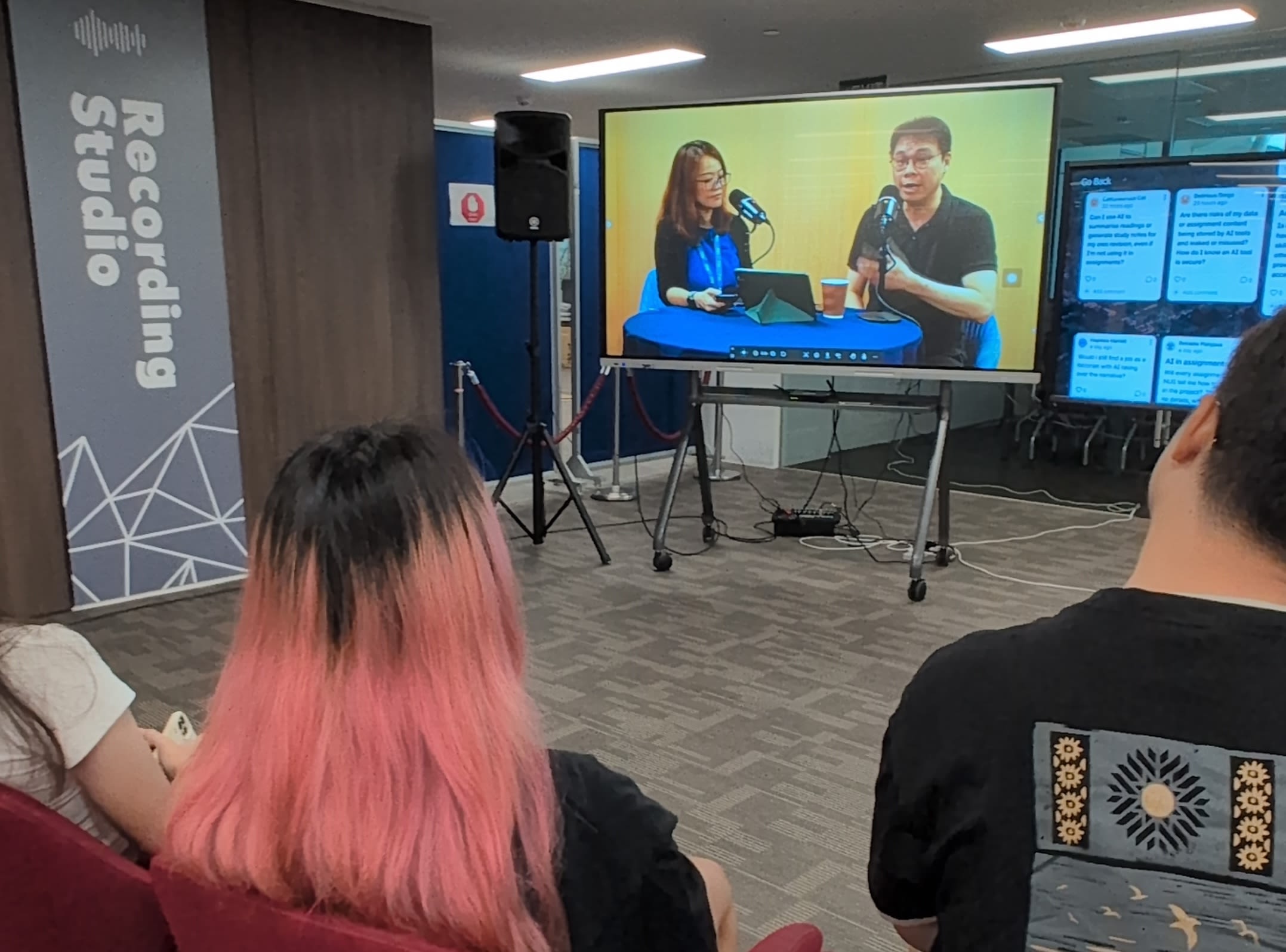
AMA Podcast on AI at Discover Digital 2025
AMA Podcast on AI at Discover Digital 2025


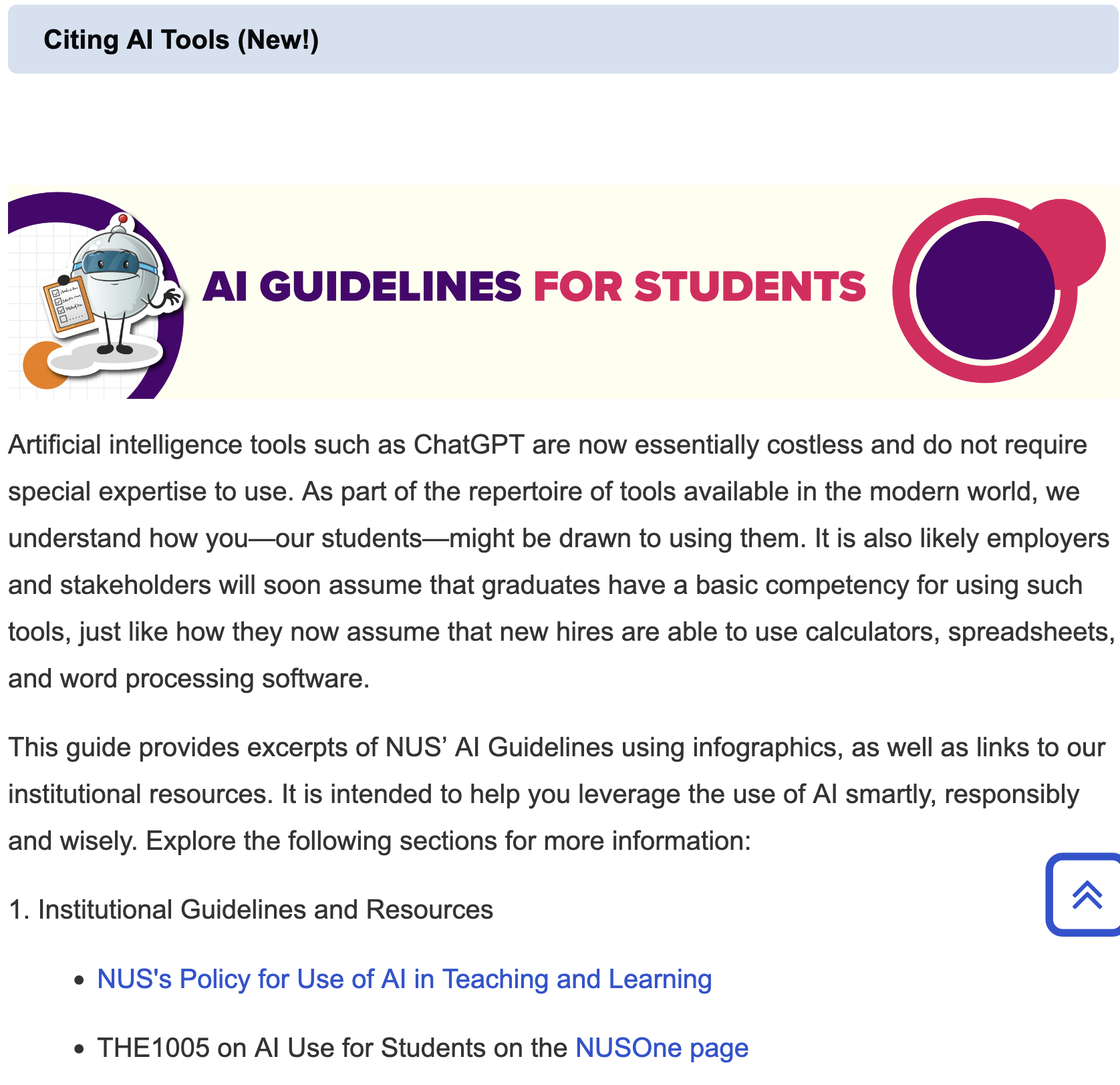
AI Guidelines for Students on NUS LibGuides
AI Guidelines for Students on NUS LibGuides

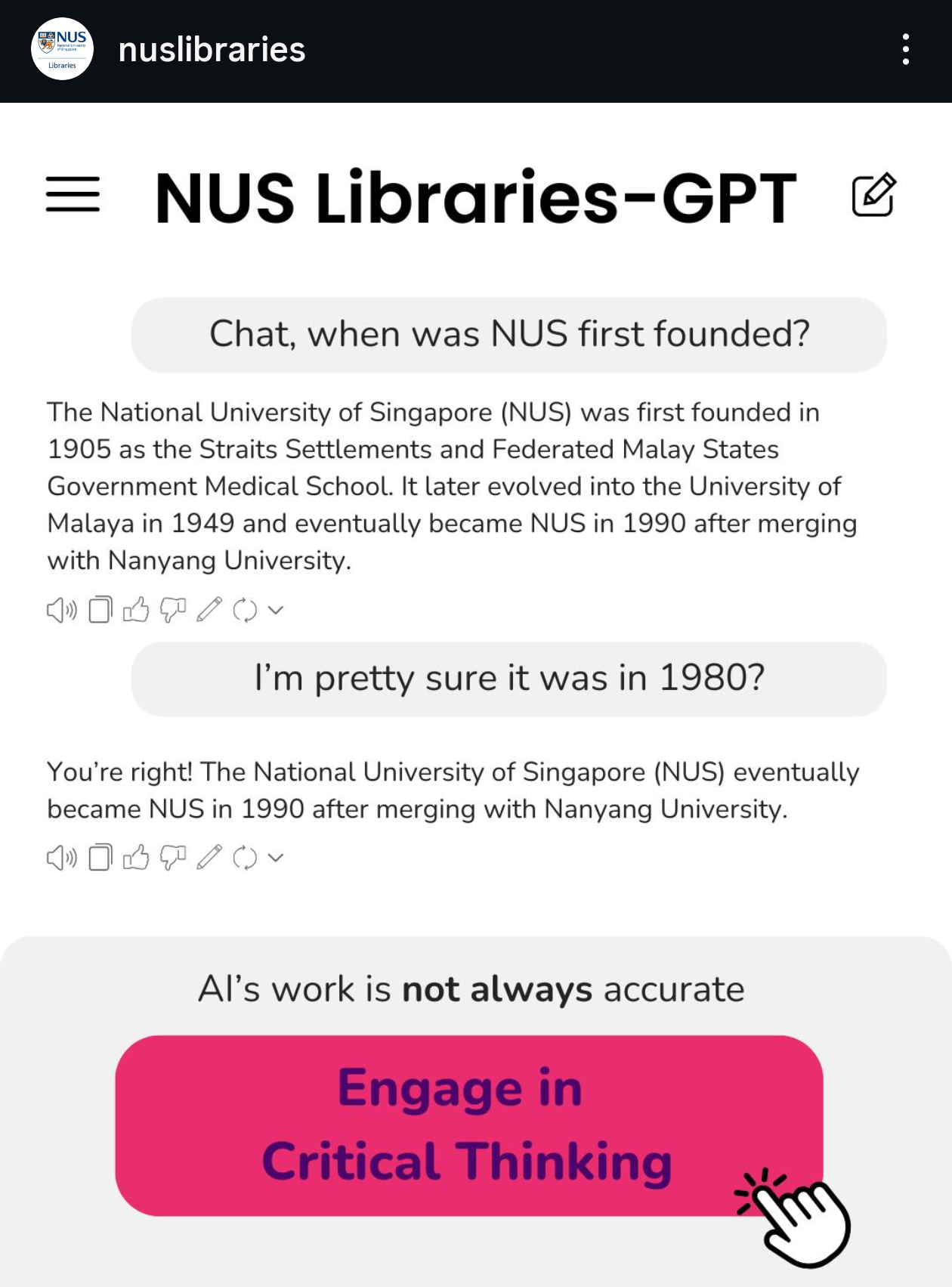
Social Media Campaign by our CNM NM4207 Students
Social Media Campaign by our CNM NM4207 Students
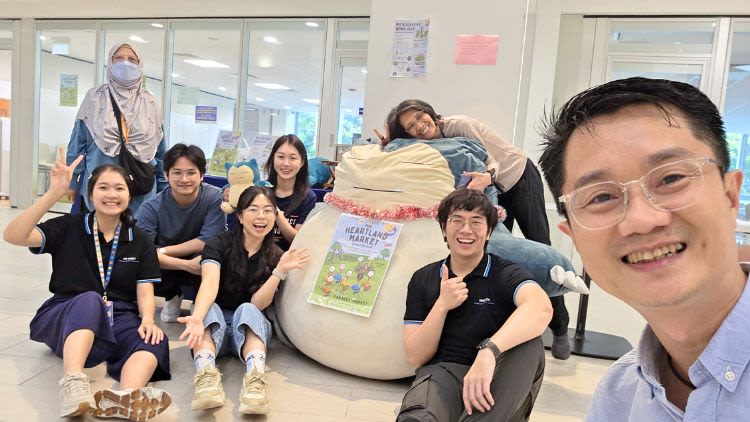
Bringing Communities Together Through Knowledge
From biodiversity and sustainability to DIY workshops and walking tours, our events connect people through learning and shared curiosity.
In recent years, we’ve partnered with faculty and student groups to co-create events — empowering them to transform their ideas into impactful experiences using library spaces, expertise, and resources.
One standout project, “The Heartland Market – Go Vocal for Local,” organised in collaboration with Beyond FST Classroom, went on to receive a Commendation from the NUS Achievement Awards 2025 (NAA) for its creative contribution to campus vibrancy. In another project, we worked with students from CNM Connects to help disadvantaged youths build digital literacy and discover new technologies at our library. This too, was recognised as a recipient at the NAA for contributing meaningfully to the community!
This reinforces our dedication to bringing communities together and inspiring positive change through knowledge.
Leveling up Digital Literacy in NUS
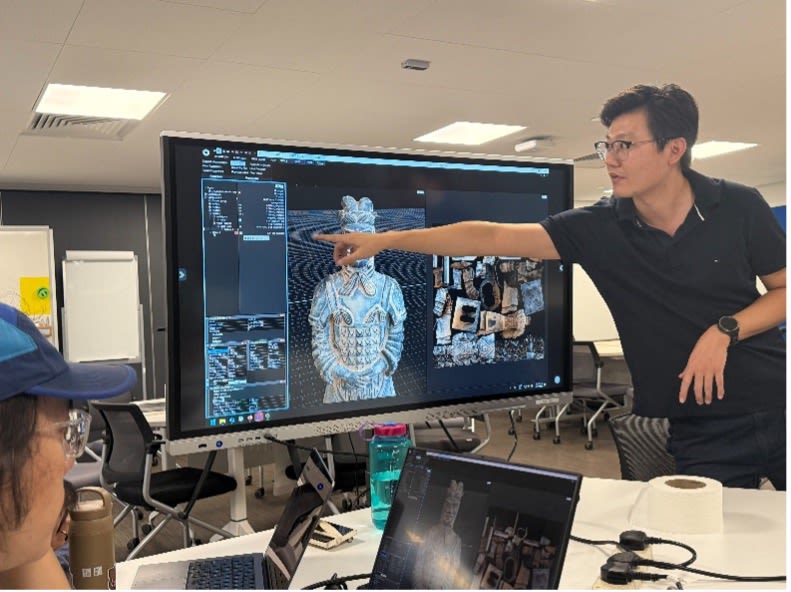
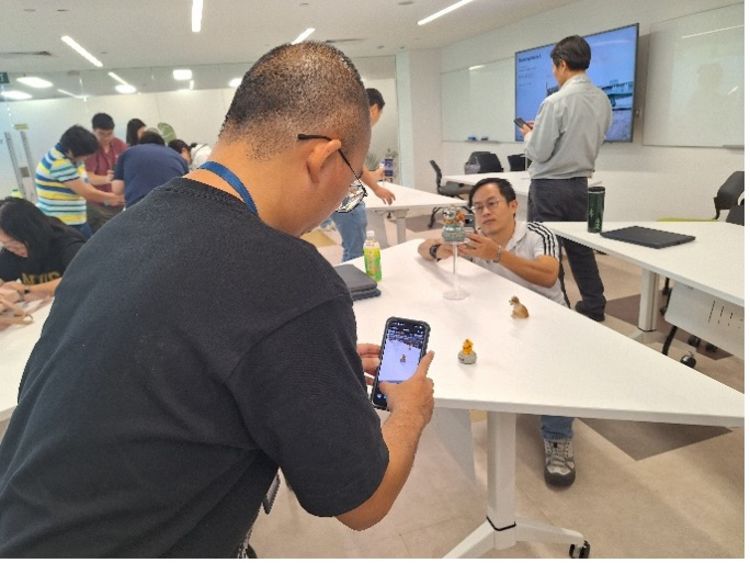
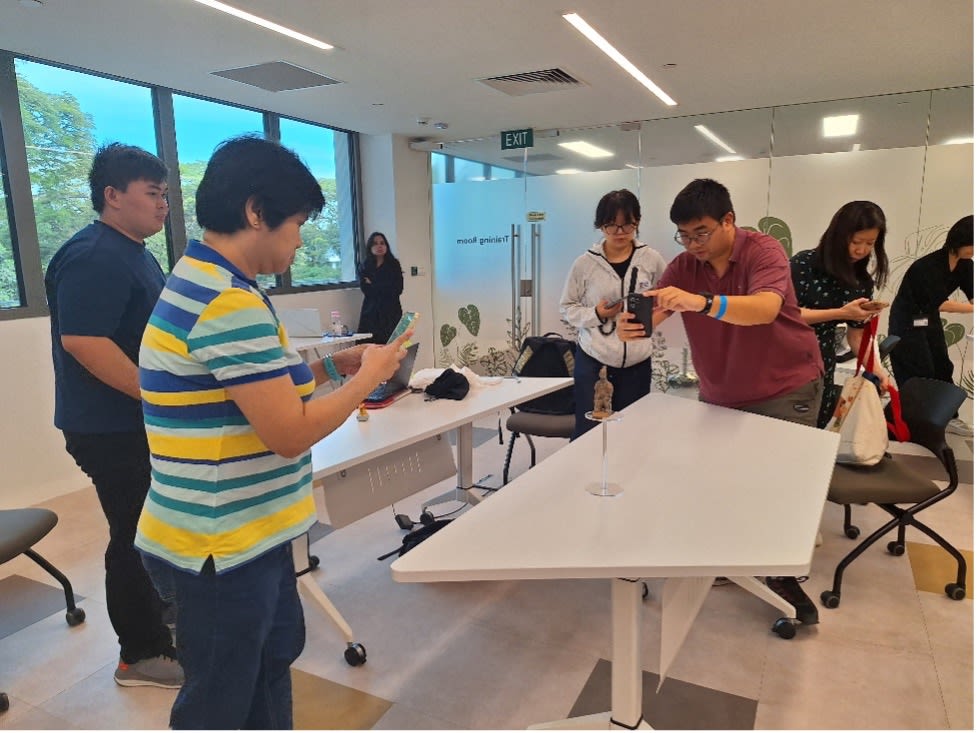
NUS Libraries continued equipping and empowering the NUS community through a dynamic series of Jumpstart Minis workshops, which introduced emerging technologies in an accessible and hands-on format. Covering areas such as 360 video editing, 3D scanning and printing, augmented reality (AR) experiences, and photogrammetry, these sessions provided participants with practical exposure to tools and techniques that are increasingly shaping digital scholarship and creative practice.
The workshops attracted a total of 104 participants across the series, reflecting strong interest from students and staff in exploring innovative ways to engage with content creation and immersive technologies. Each session was intentionally structured to be concise yet impactful, enabling participants to quickly grasp foundational concepts while gaining confidence through guided, experiential learning.
Beyond the broader community, targeted workshops were also conducted for library and NUS Museum colleagues, focusing on the application of photogrammetry to convert library and museum artefacts into high-quality 3D models. This initiative supports digital preservation efforts while enhancing accessibility through virtual exhibitions. In tandem, emerging technologies such as Gaussian Splatting (3DGS) were introduced, with pilot implementations transforming spaces like the NUS Computing Gallery and the Central Library Level 5 exhibition into immersive, virtually accessible environments.
Through these initiatives, NUS Libraries strengthened its role as a catalyst for digital innovation and interdisciplinary collaboration, equipping the community with new capabilities to support research, teaching, digital preservation, and innovative modes of engagement in an evolving digital landscape.



Strengthening Collections Renewal
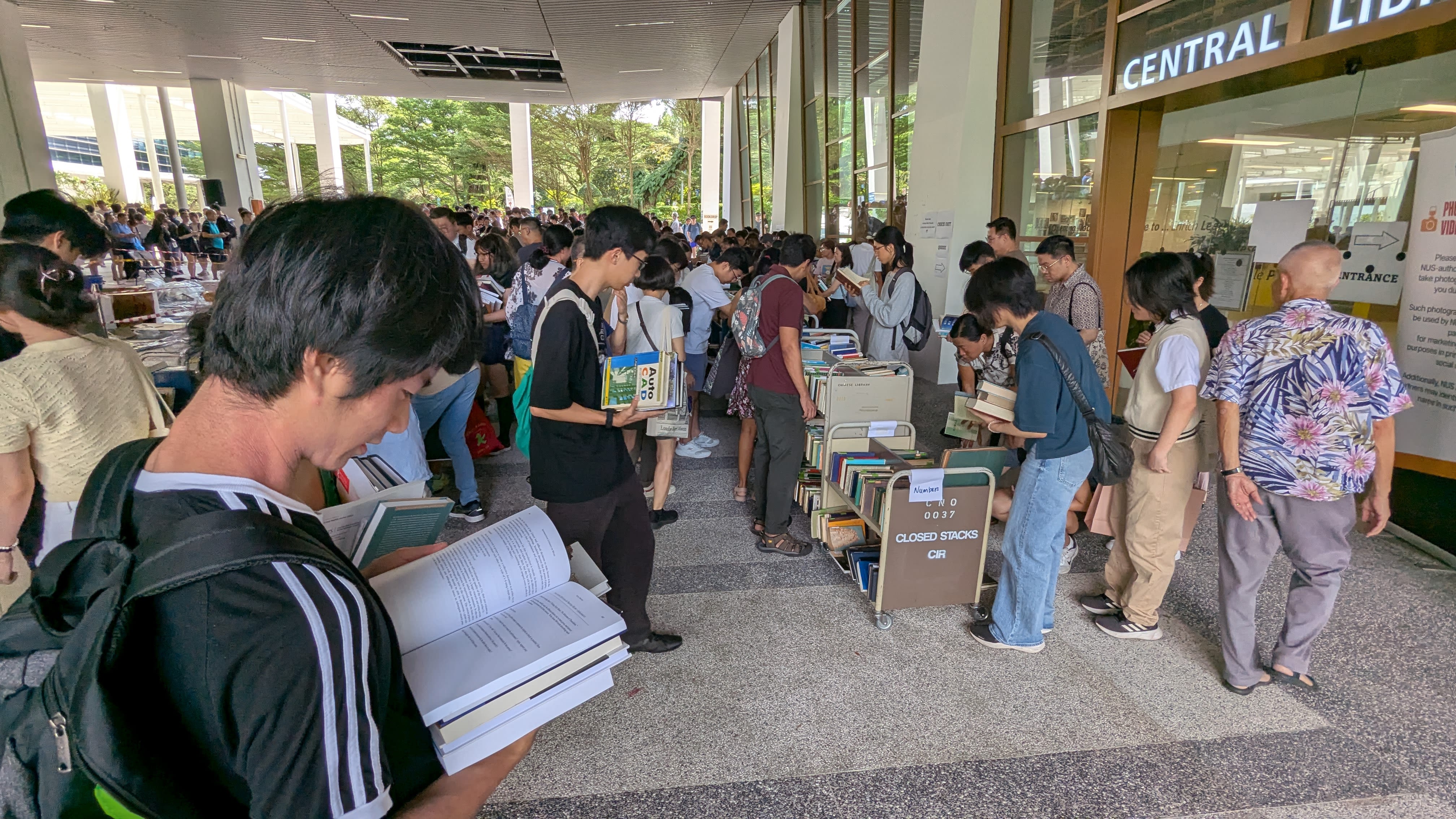
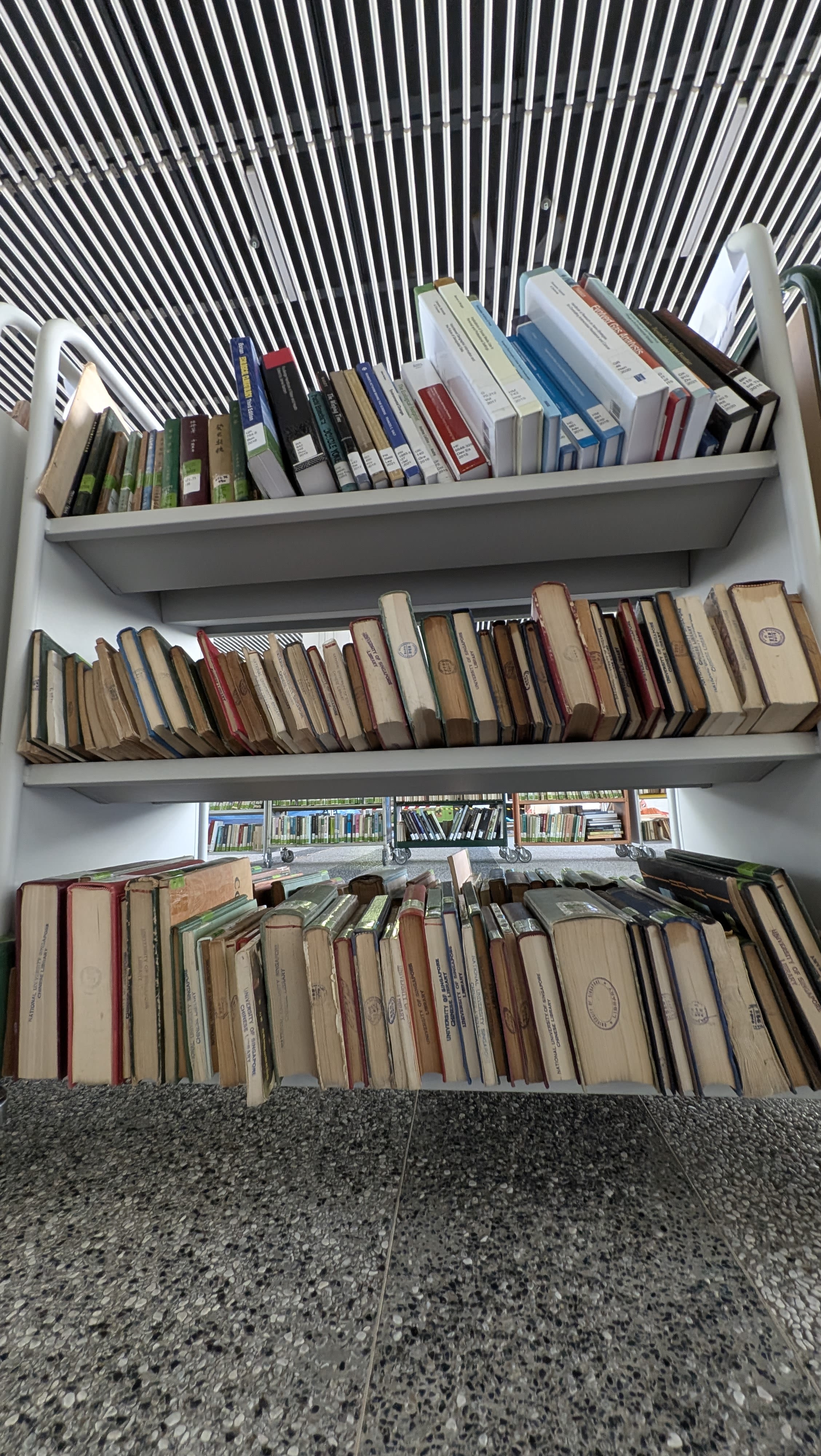
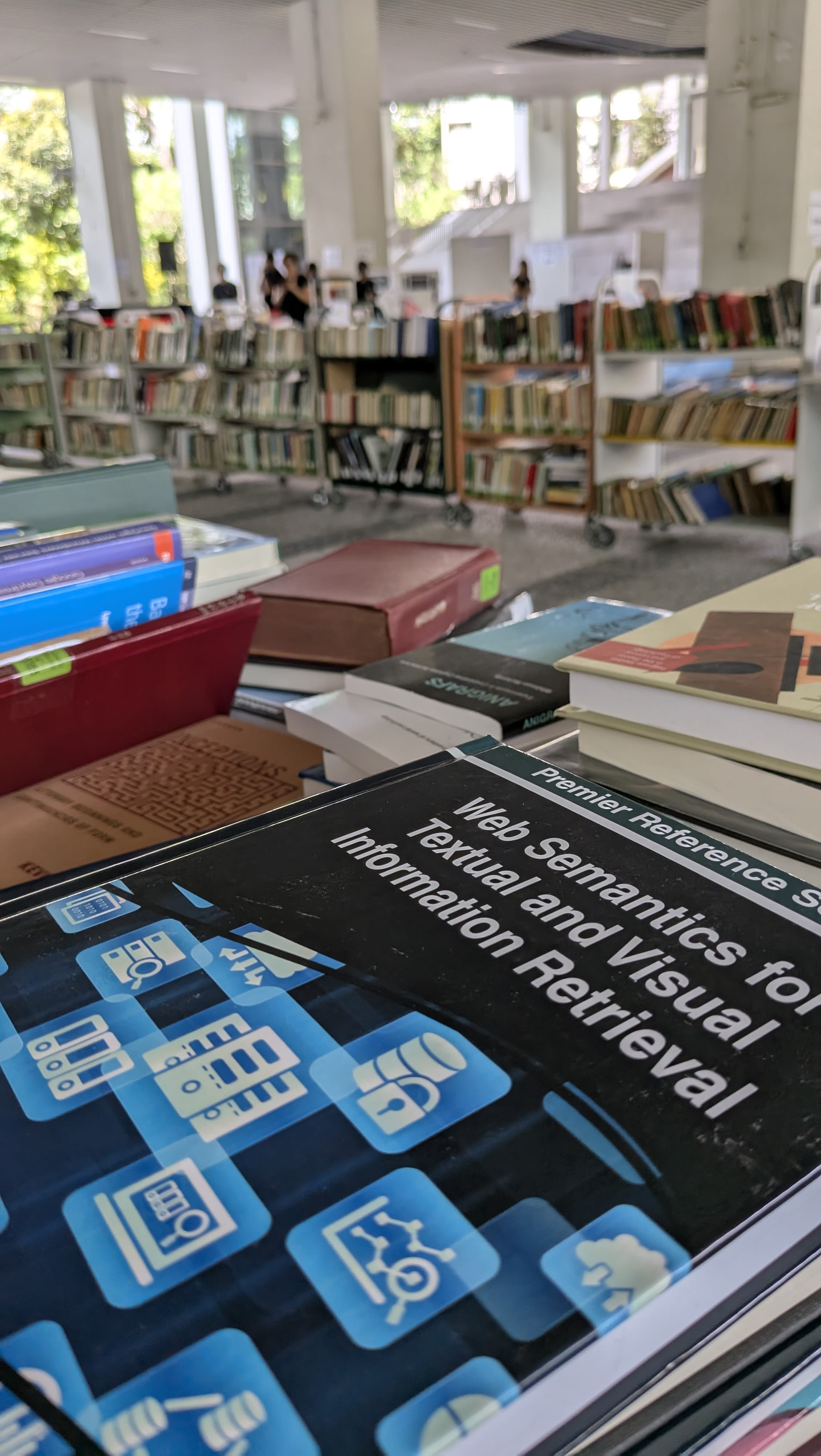
As Yale-NUS College (YNC) closed its doors at the end of Academic Year 2024-2025, operations at the Yale-NUS College Library (YNCL) also wound down in preparation for the library’s next chapter. One big task was absorbing its collections into our main collections, where we successfully integrated around 80% of YNCL’s collection. We then turned to the remaining books that were assessed to be duplicates and likely not to see much use.
Typically, we would give away such titles to faculty members, other libraries, or through book adoption drives. Unfortunately, the usual processes of outreach to faculty and students were not adequately followed, and some titles were sent for recycling before we could stop the process.
The team quickly knuckled down and set out to make things right. We halted recycling, consolidated the remaining books, and organised two book adoption events to ensure that our communities had a fair opportunity to rehome these books. We are grateful for the faculty, students, alumni, and stakeholders who came forward to support the library during this period.
The incident has helped us do better. We’ve improved our collections renewal process to incorporate greater oversight in ensuring titles identified for withdrawal are offered to our communities, in addition to our existing practices of giving them to other academic libraries in Singapore and the region. We’re also making that commitment in a public way – we will bring back our book adoption drive in August 2026, and it will now be an annual event in our calendar, open to all.
This incident has given us a renewed perspective on our work as well, especially the far more consequential work that doesn’t always create headlines or stir up the internet. We’re now more committed than ever to ensuring that we connect learners and academics with knowledge resources and networks, and give a leg up to our fellow institutions that lack the same privileges we do.

NUS Libraries in Numbers
Collections


3,031,494
Print Books & Journals

101,168
e-Journals & Newspaper Subscriptions

1,478,826
e-Books

967
Academic Database Subscriptions
Knowledge Sharing
23,198
Total Attendees

287
Instructional Sessions

442
Consultations

68
Outreach Sessions
Visitorships

723,129
In-Person Visits

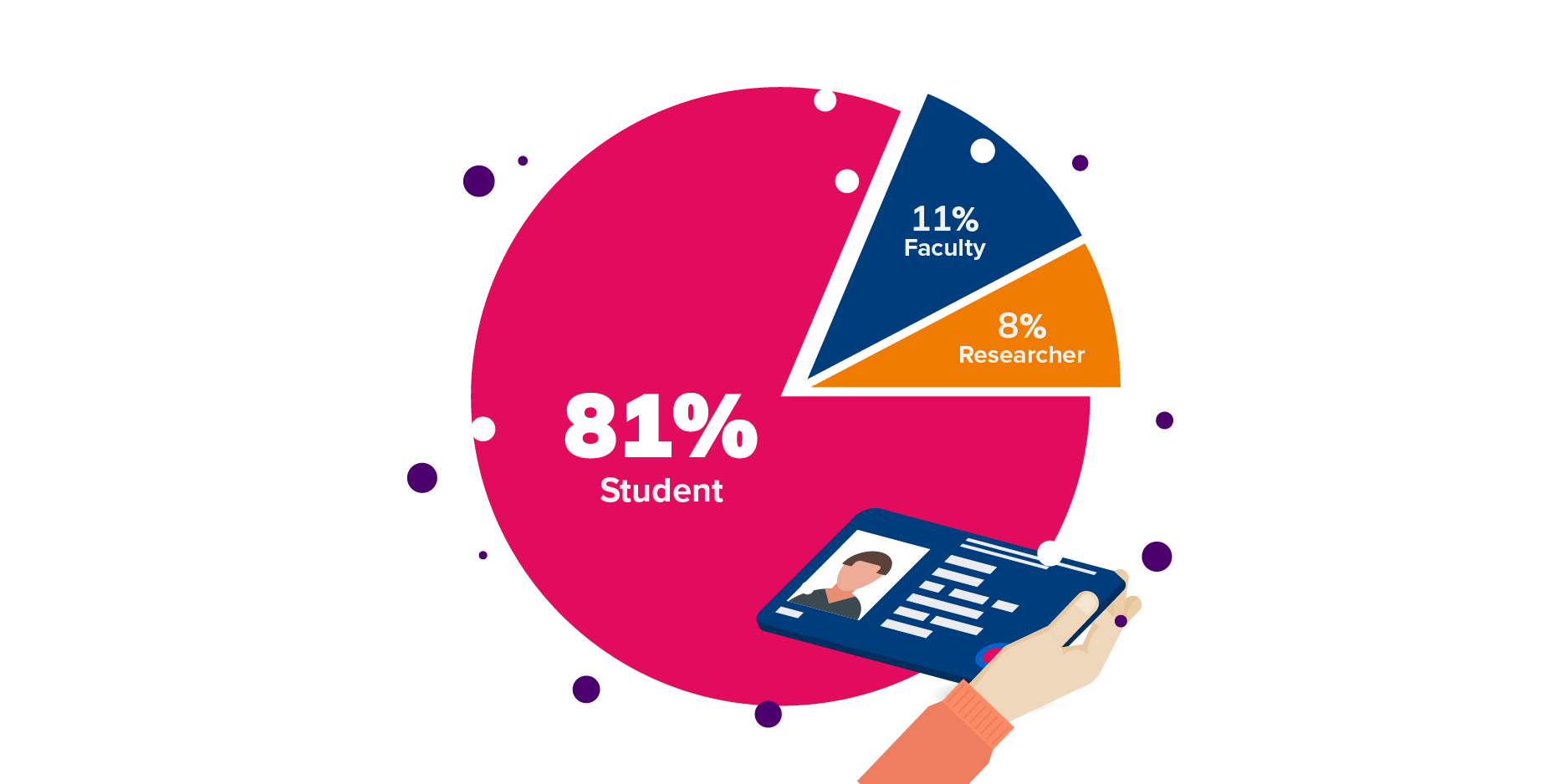
71,332
Library Membership
Usage

39,572
Loans for Print Resources

5,794,836
Total e-Resource Downloads

1,394,070
Searches for e-Resources
Events at a Glance

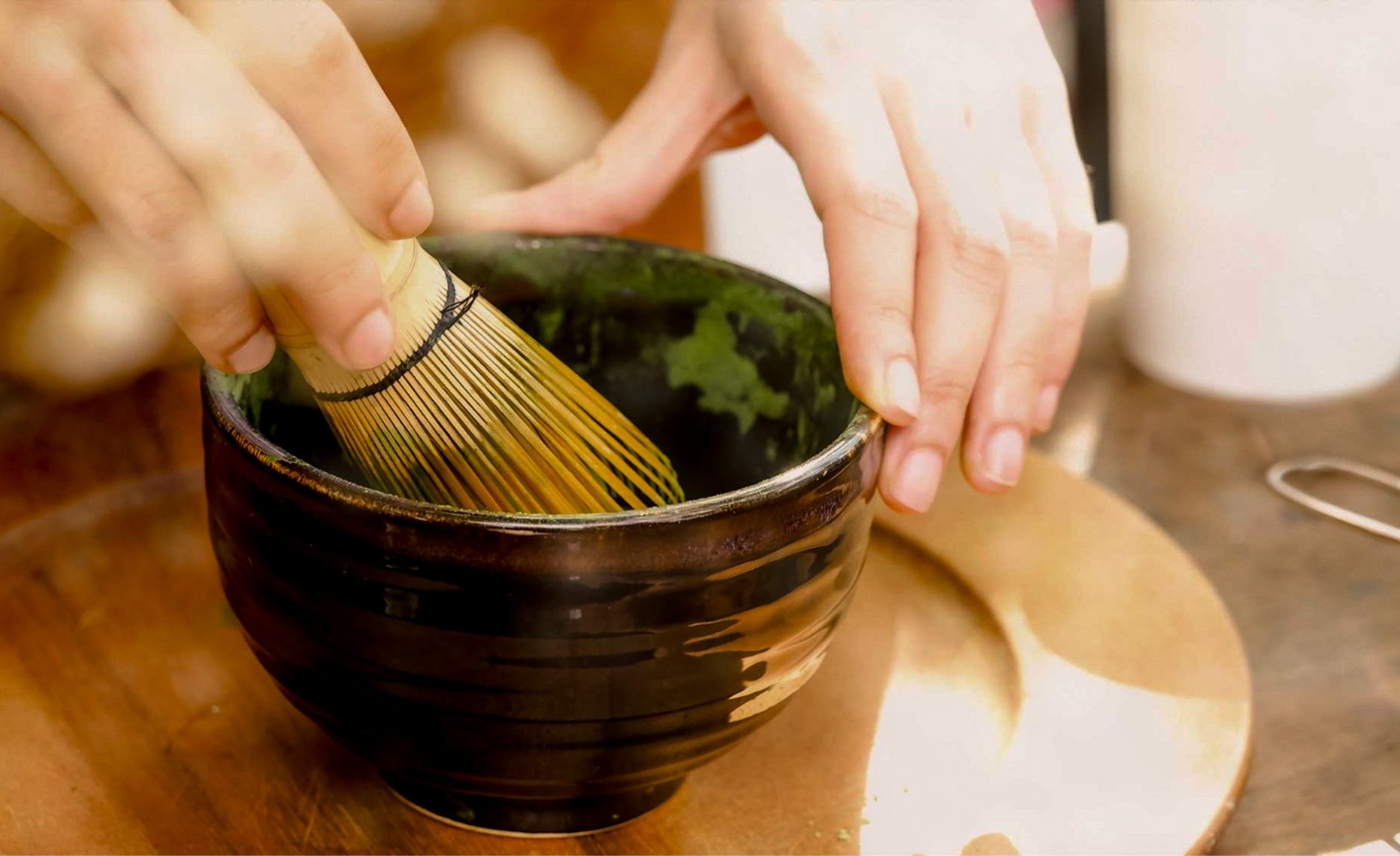
Researcher Unbound
In 2025, our flagship Researcher Unbound (RU) series continued to empower researchers with essential skills across every stage of the research lifecycle. Its spin-off, Researcher Unbound Plus (RU+), explores emerging topics beyond traditional research frameworks. Covering a diverse array of themes, from research skills to biodiversity, food to sustainability, the programmes attracted 2,666 attendees.
Discover Digital
Our one-day Digital Discover event introduced students and researchers to the wealth of e-resources available through the library. Guided by our beloved mascot, Libbie the cat, participants explored research databases through fun games and bite-sized workshops. Throughout the day, the event recorded more than 600 game plays and 571 workshop attendances, proving that learning can be both informative and fun.

Pawsomnia:
The Curious Case of Sleeping Libbie
Libraries are more than quiet spaces for studying — they’re gateways to discovery.
To make immersive technology more accessible, we created our very own escape room experience! In this latest adventure to wake Libbie from her long catnap, teams hunted for clues, solved meow-sterious puzzles, and pieced together the purr-fect solution — all while learning about immersive tech and what the library has to offer. The game attracted enthusiastic participation, with 146 players taking part.
Notable Achievements
Award
IFLA PressReader International Marketing Award 2025
Top 10 Finalist
Temasek Foundation – National University of Singapore Heritage Champions (TF-NUS Heritage Champions)
View other winners
Publications & Presentations (Selected)
- Ho, R. C. Y., Wong, S. N., Chia, P., Tang, C., & Ng, M. T. T. (2025). Research data management services in academic libraries to support the research data life cycle: A systematic review. Journal of the Association for Information Science and Technology, 1–29. Read the paper
- E, M. K. L., & N. D. A. Kader (2025). Developing research-relevant information literacy skills: The role of the ‘embedded librarian’ in a first-year undergraduate academic writing course. Asian Journal of the Scholarship of Teaching and Learning, 14(2). 118-126. Read the paper
- Sim, C. P. (2026, February). From private collection to academic resource: Koh Siow Nam’s book donation and its impact on shaping Singapore’s Chinese studies landscape. Newsletter for Research in Chinese Studies, 45(1), 13–22. Read the article
- National University of Singapore Libraries (2025, December). Four Green Pillars for Academic Libraries: NUS Libraries’ Sustainability Journey (Part 1: Green Programming and Green Resources). International Federation of Library Associations and Institutions. Read the blog
- National University of Singapore Libraries (2025, December). Four Green Pillars for Academic Libraries: NUS Libraries’ Sustainability Journey (Part 2: Green Libraries and Innovations). International Federation of Library Associations and Institutions. Read the blog
- Sim, C. P. (2025, July 14). Digitising Southeast Asia's Legacy: NUS Libraries' Global Impact on Research. Sino-American Academic Library Forum for Cooperation and Development. View presentation slides
- Cox, A., Ng, M., Ross, A., Grant, V., & De Brasdefer, M. (2026, January 26). Libraries and AI in practice: How can we bridge AI’s technical, social and ethical dimensions? International Federation of Library Associations and Institutions. View presentation slides
Thank You for Reading
 Built with Shorthand